



This guide breaks down the most important Neo Soul chords to know, with a spotlight on the V7(♭9) chord — the genre’s most powerful pivot. Whether you’re producing, composing, or jamming, these are the chords that bring real soul to your sound.
Unlike standard pop or R&B harmony, Neo Soul favors extended chords, altered dominants, and voice-led movements. These chords don’t just sit there — they move. And at the center of this movement is the dominant 7 flat 9 (V7♭9) chord.
These progressions aren’t just theoretical — they’re emotional. And once you learn how to move from a V7♭9 into a minor 9, you’ll unlock one of the most expressive transitions in all of soul music.
10 Distinctive R&B Chord Progressions Every Producer Should Know. This guide explores the most iconic chord patterns in R&B and neo soul, showing you exactly how these unique harmonies create movement and soul in every genre classic.
The V7♭9 chord is the most important pivot chord in Neo Soul and RNB chord progressions. It creates tension, emotional weight, and beautiful resolutions into minor chords. The added ♭9 creates a chromatic clash that resolves naturally into soulful, extended minor voicings.
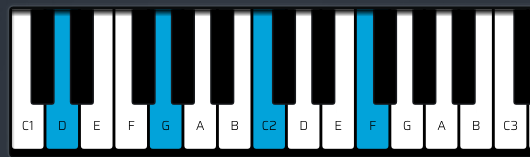
The real magic lies in the clash between E and D♭ — a half-step that adds rich, unresolved tension. When you move from this chord into an F minor 9, the release feels deeply emotional and intentional. It’s a go-to voicing when setting up a soulful resolution, especially in turnarounds or intros where harmonic movement needs to be both expressive and fluid.
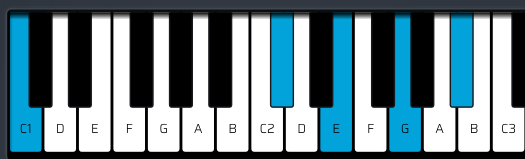
Formula: 1 – 3 – 5 – ♭7 – ♭9
Example in E7♭9: E – G# – B – D – F
Common V7♭9 movements:
E7♭9 → Am9
A7♭9 → Dm11
G7♭9 → Cmaj9
These chords also appear frequently in soul music guitar progressions, often followed by lush m9 voicings.
Neo soul chords aren’t just about theory—they’re about instinct and feel. For a hands-on, ear-based approach, check out Neo-Soul Progressions: Learn Neo Soul Chord Progressions by Instinct, Not Theory. This article teaches you to trust your intuition, making it easier to master complex voicings like the V7♭9 and use them musically in your own productions.
The m9 is a go-to chord in Neo Soul, especially in Neo Soul chord progressions and modern RNB chords. It sounds smooth, emotional, and rich.
This chord is frequently heard in the stylings of artists like Jill Scott, Musiq Soulchild, and Robert Glasper, where minor 9 voicings are used not as moments of tension, but as a resting point in progressions — often following dominant chords like G7♭9 → Cm9. It’s the kind of chord you can loop for minutes and still feel like something’s evolving.
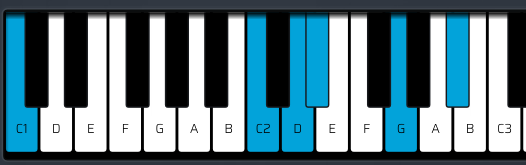
Formula: 1 – ♭3 – 5 – ♭7 – 9
Example in Am9: A – C – E – G – B
Try: E7♭9 → Am9. It’s a staple movement in soul, RNB, and gospel progressions.
The maj7 chord provides a clean, open sound that works beautifully as a tonic. Add a 9th for even more depth.
You’ll often hear chords like E♭maj7 or Gmaj9 in artists like Hiatus Kaiyote, where the major 7 isn’t just “happy” — it’s glassy, bittersweet, and harmonically rich. In Neo Soul chord progressions, it’s often placed after a tension chord (like V7♭9) to let the harmony land gently and beautifully.
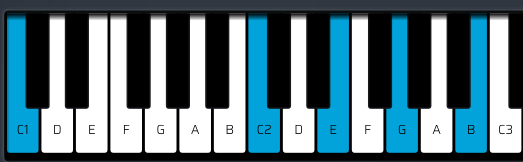
Formula: 1 – 3 – 5 – 7
Example in Cmaj7: C – E – G – B
Use G7♭9 → Cmaj9 for a jazz-soul fusion feel.
The m11 chord adds subtle color and depth, especially when the 5th is omitted to reduce muddiness.
This chord is often used as a gentler alternative to the m9, especially when you want to create a more modal or ambient atmosphere. The inclusion of both the 9th and 11th gives the harmony a sense of suspended motion — as if the chord is floating rather than resolving. It’s perfect for looped progressions, extended vamps, or for supporting melodies that require harmonic width without a strong vertical pull.
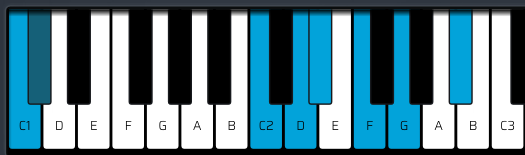
Formula: 1 – ♭3 – ♭7 – 9 – 11
Example in Dm11: D – F – C – E – G
A7♭9 → Dm11 is another classic Neo Soul chord movement.
dim7 chords add smooth, chromatic transitions between chords. They are often used between V7 and minor chords.
These chords are especially effective in neo soul chord progressions when you want to introduce motion without jumping too far harmonically. Because they’re compact and tense, dim7 voicings sit well in the right hand, often paired with a walking root or chromatic bass in the left — a popular technique in soul music piano and modern rnb chord progressions.
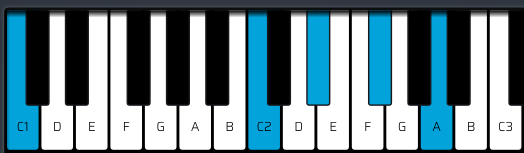
Formula: 1 – ♭3 – ♭5 – 6
Example: F#°7 = F# – A – C – Eb
Example: E7♭9 → F#°7 → Am9
Suspended chords replace the 3rd with the 2nd or 4th. They work beautifully in soul music guitar arrangements.
These voicings are particularly useful in rnb chord progressions for delaying harmonic definition — they sound unresolved but intentional, which makes them great for intros, transitions, or when moving from one tonal center to another.
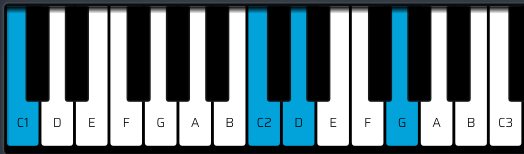
C Sus 2 Chord
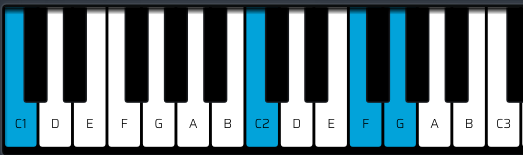
C Sus 4 Chord
Examples:
Csus2 = C – D – G
Csus4 = C – F – G
Follow up with a Cmaj7 or Am9 for gentle resolution.
Quartal chords (built in 4ths) add modern flair. You’ll hear these in both Neo Soul chords and RNB chord progressions, especially in intros and breakdowns.
Instead of stacking intervals in thirds like traditional chords, quartal voicings are built using perfect fourths — which creates a more floating, unresolved quality. They give progressions a modal, modern edge that feels less tied to traditional harmony and more about vibe and texture.
Example: C – F – Bb
Use them over a bass note to suggest multiple harmonies at once.
Neo Soul harmony is defined by movement. A chord like E7♭9 isn’t just a dominant chord — it’s a path. A story. It carries tension that releases into something smooth like Am9 or Dm11.
Try:
- E7♭9 → Am9
- G7♭9 → Cmaj9
- A7♭9 → Dm11
These transitions form the heart of authentic Neo Soul chord progressions.
Truly soulful chord progressions go beyond static harmony—they’re about emotion and flow. Discover how to create changes that resonate with listeners in How to Make Chords That Actually Feel, where we break down the expressive techniques that make neo soul and R&B so impactful.
If you only learn one thing today, let it be this:
The V7♭9 chord is the main pivot in Neo Soul.
Surround it with m9, maj7, dim7, and sus chords and you’ll unlock a whole new level of expressive, soulful harmony. Whether you’re playing keys, producing beats, or building your soul music guitar vocabulary, this is where the magic happens.
Neo soul harmony isn’t limited to classic soul and R&B. In fact, these chords are becoming the secret sauce in global genres like K-pop. Want to see why? Check out Why Neo Soul Chords Are Used So Much in Kpop for a look at how contemporary producers around the world are using these same voicings to craft fresh, genre-bending hits.

Grab our Neo Soul MIDI Chord Progression Pack with ready-made 100 Neo Soul & RNB chord progressions, Just drag, drop, and vibe.